
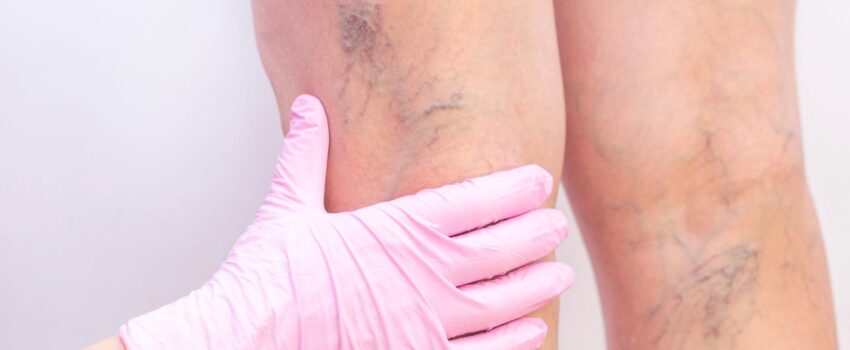
Leg swelling gets dismissed all the time. A long shift, a long flight, or sleeping in a weird position is nothing most of the time. But occasionally, what feels like regular soreness can be a blood clot forming deep inside a vein, and that’s where things can get serious fast.
The CDC estimates that venous thromboembolism, the broader category that includes deep vein thrombosis and pulmonary embolism, affects up to 900,000 Americans in any given year. Untreated DVT has a way of becoming something much harder to manage, which is exactly why early deep vein thrombosis treatment is worth pursuing.
What Is DVT?
DVT happens when a clot forms inside one of the body’s deeper veins. The lower leg and thigh are the most common locations, though the pelvis and arm can also be involved. Blood flow problems, vein wall injury, and inherited clotting issues all play a role. If that clot dislodges and reaches the lungs, it becomes a pulmonary embolism, which is a medical emergency.
Common Symptoms of DVT
Symptoms are easy to miss or misread. The most common signs include:
- Swelling in one leg
- Soreness, warmth, or skin that looks faintly red or discolored
- A calf that feels unusually heavy or cramped for no clear reason
Some people have no symptoms at all, which makes knowing the risk factors just as important as watching for warning signs.
Risks of Untreated DVT
The dangers of DVT tend to multiply the longer a clot sits untreated, and some of the resulting DVT complications are severe.
Pulmonary Embolism
This is what most physicians worry about first with untreated DVT. Part of the clot breaks away, travels through the bloodstream, and blocks circulation in the lungs. Chest pain, sudden breathlessness, coughing, and fainting are the hallmarks.
Post-Thrombotic Syndrome
Even after a clot resolves, the vein it damaged may never fully recover. Valve dysfunction leads to poor blood return, and the leg ends up bearing the consequences. Chronic swelling, an ongoing sense of heaviness, and skin that discolors over time are all common. Venous ulcers can form in serious cases.
Chronic Venous Insufficiency
Valve damage from a DVT can tip into chronic venous insufficiency, a condition where leg veins simply can’t move blood upward the way they should. The legs ache and the skin itches and thickens. It follows a path similar to what happens with long-term varicose vein disease, and it tends to compound gradually.
Increased Risk of Future Blood Clots
One DVT significantly raises the odds of another. CDC figures show recurrence in roughly one-third of venous thromboembolism (VTE) patients over 10 years. Managing deep vein thrombosis risks after a first clot is essential.
Why Early Treatment Matters
The window for effective intervention matters with deep vein thrombosis. Caught early, anticoagulant medications can stop a clot from growing and reduce the risk of it traveling.
Standard deep vein thrombosis treatment also helps protect the vein’s valves, which is what prevents the chronic complications described above. Symptoms that suggest pulmonary embolism need emergency attention.
Tips for Reducing DVT Risk
Movement is one of the simplest protective measures available. Sitting for long stretches, whether during a workday or a long flight, slows circulation in the legs and raises clotting risk. Short walks, calf raises, and deliberate movement breaks all help. Compression stockings are worth discussing with a provider for anyone with an elevated risk. People already managing a DVT diagnosis need to treat their follow-up appointments as non-negotiable.
Your Veins Are Worth a Closer Look
Getting checked earlier is almost always better than waiting. Scheduling a vein consultation to discuss deep vein thrombosis symptoms before anything progresses is a reasonable step for anyone who’s noticed changes in their leg veins. North Shore Vein Center offers advanced vein care and vascular treatment for patients dealing with leg veins in Long Island and the surrounding New York area, with no referral needed. Contact us today to schedule a consultation.