
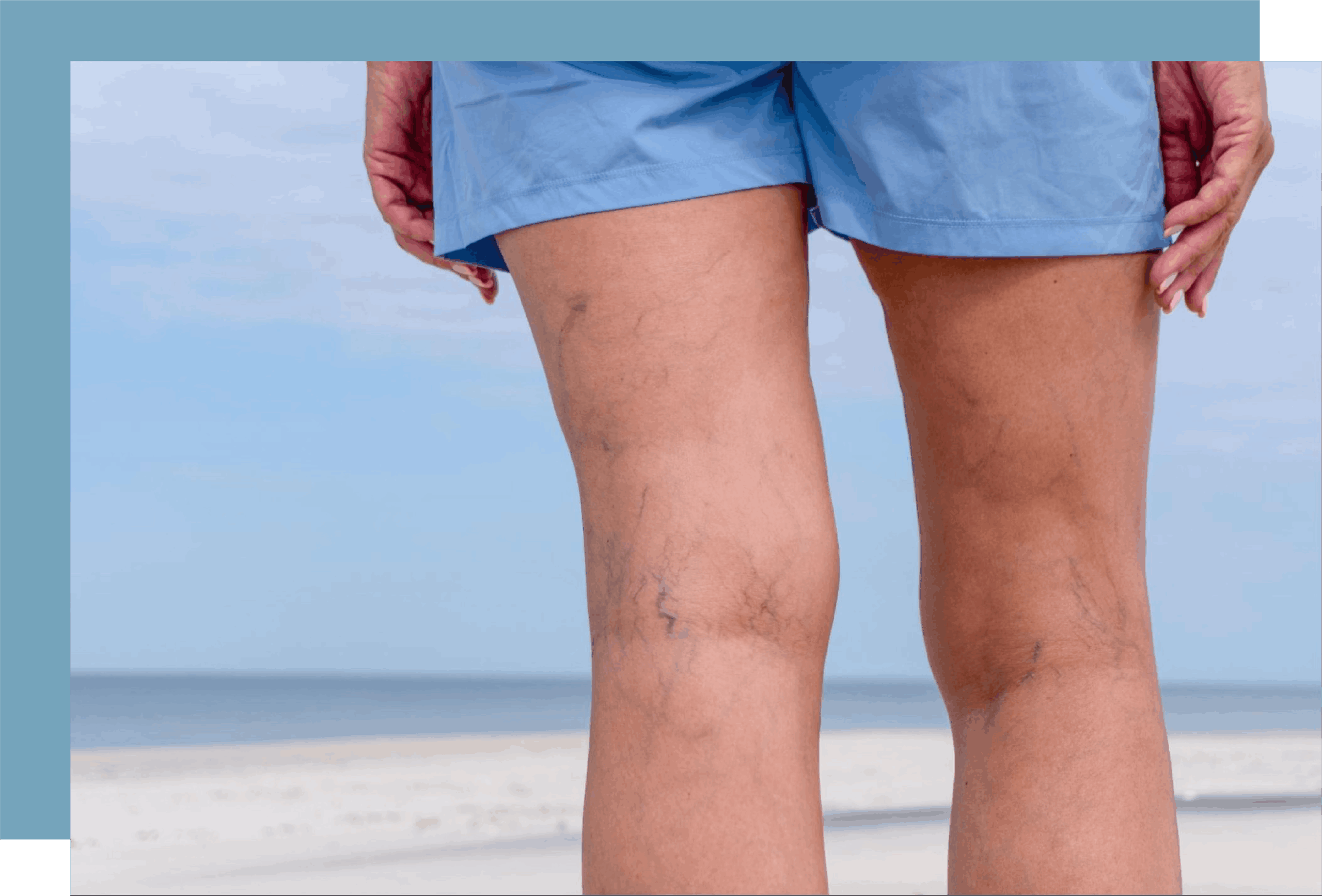
Those thin, web-like veins that show up on the legs or face can be frustrating, especially when they are too fine for standard injections. The North Shore Vein Center uses the VeinGogh™ Ohmic Thermolysis System to target delicate vessels with heat rather than a needle filled with solution. For Long Island patients who want a quick, low-fuss option for small surface veins, it helps to understand how the treatment works and who it suits.
What Is the VeinGogh™ Ohmic Thermolysis System?
The VeinGogh™ Ohmic Thermolysis System is an FDA-approved electrosurgical device for treating lower-limb spider veins and telangiectasias. It earned its 510(k) clearance back in May 2012 as a Class II device, which means regulators found it substantially equivalent to a product already on the market.
The name describes the science. Ohmic thermolysis refers to the way a regulated high-frequency current meets resistance inside a vessel and converts into heat. That heat coagulates the blood and collapses the vein wall, so the body can gradually absorb it. It is a focused approach built for the smallest veins, not larger varicose veins or deep feeder vessels.
How the Procedure Works
The treatment relies on a hair-thin insulated probe rather than a syringe. The surgeon places the needle point along the vein and delivers short microbursts of energy, usually spaced every two to three millimeters. Each burst creates heat directly inside the vessel, then dissipates quickly to limit any effect on the surrounding skin.
The system uses proprietary Microburst Technology to keep every pulse controlled and consistent. Running at a 4 MHz output frequency with pulses lasting a fraction of a second, it heats the target vein in a predictable manner.
Because the energy is so contained, there is no need for tumescent anesthesia, which is the numbing fluid used in some larger-vein procedures. Most patients describe the sensation as a quick pinch, similar to having a single hair plucked.
Benefits of the VeinGogh™ Ohmic Thermolysis System
Precision
The biggest advantage of the VeinGogh™ Ohmic Thermolysis System is precision. It can treat fine vessels up to 0.3 mm in diameter, which are often difficult to inject during sclerotherapy. That makes it a useful tool for patients with very small veins, needle-sensitive concerns, or stubborn matting that has not responded to other treatments.
Clearance results back this up for the right candidate. A 2018 study found greater than 90% clearance for vessels under 0.5 mm, with much weaker results once vessels reached 1 mm. The same research described the thermal damage as precise and limited to the targeted vessel, with minimal injury to nearby tissue.
Downtime
Downtime is another draw. The procedure typically requires no compression stockings, no numbing injections and no bandages, so most people head back to their normal day right away. It also slots neatly into the wider menu of spider vein care, sitting alongside sclerotherapy, laser therapy, and other accepted thermocoagulation options rather than replacing them.
What to Expect After Treatment
Sessions are short. A minor lesion might take about a minute, while a more extensive area can run 20 to 25 minutes. Mild redness can show up afterward, but it usually fades on its own.
Some results may be visible immediately, with continued improvement over the following weeks as the body clears the treated veins. The study above noted that faint pinpoint tracking can appear and generally settles within four to six weeks. Treated veins should not return once fully closed, though new spider veins can develop later, so occasional touch-ups are normal.
Who Is a Candidate?
The best fit is a healthy adult with thin spider veins or thread-like telangiectasias who wants a fast procedure with little downtime. The VeinGogh™ Ohmic Thermolysis System is intended for adults, not children, and works best on very small surface vessels rather than bulging leg veins or deeper feeder veins.
People dealing with larger varicose veins, swelling, heaviness, or signs of venous reflux usually need a closer look first. A duplex ultrasound can reveal whether an underlying circulation issue is driving the problem, which may point toward a different treatment.
Skin type also matters. A provider will weigh vessel size, pigment, and location before recommending the system. For anyone weighing options for spider veins or other leg veins, a consultation helps determine the right path.
Are You Ready to Show Your Legs a Little Love?
Tiny spider veins are easier to treat than most people expect, and the VeinGogh™ Ohmic Thermolysis System offers a focused, low-downtime way to do it. For stubborn leg veins, Long Island residents can rely on Dr. Schwartz and the team at North Shore Vein Center to figure out whether VeinGogh, sclerotherapy or another approach fits best. Contact the office to book a consultation and take a closer look at your options.